
- Blog
- Le Maroc est-il sûr ?


Is Morocco Safe for Tourists in 2026? Complete Guide & Practical Tips
- April 30, 2025
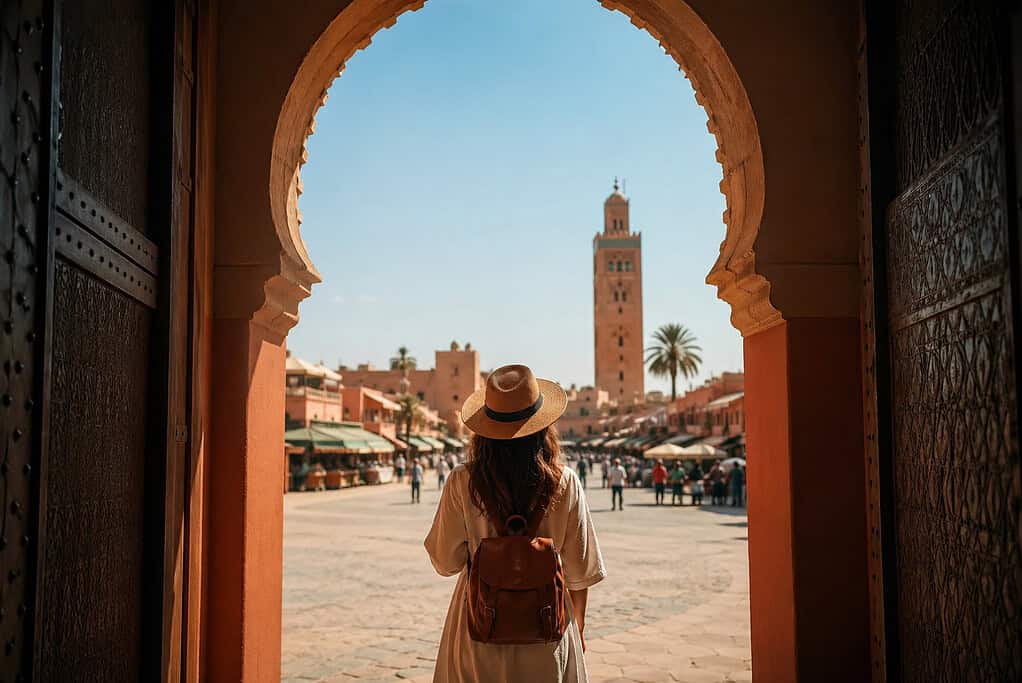
Morocco has firmly established itself as one of North Africa’s most iconic and rapidly evolving destinations. From its UNESCO-listed medinas and sun-kissed Atlantic coastlines to the dramatic peaks of the High Atlas and the sweeping dunes of the Sahara, the country continues to attract millions of international visitors seeking culture, nature, and authentic experiences. In 2026, Morocco’s tourism sector is undergoing a sustained modernization phase, backed by upgraded infrastructure, enhanced visitor services, and continuously refined security protocols. Yet, one question consistently surfaces in travel forums, pre-departure checklists, and conversations with seasoned globetrotters: Is Morocco safe for tourists in 2026?
This comprehensive guide provides a clear, evidence-based answer. Drawing on updated travel advisories from international government agencies, insights from tourism security experts, and real-world traveler feedback, we break down everything you need to know about safety, health, transportation, cultural norms, and digital connectivity. Our goal is to equip you with practical, actionable advice so you can plan your Moroccan journey with confidence, respect, and peace of mind.
General Security in Morocco in 2026: What Do Official Sources Say?
According to the latest travel advisories from the U.S. Department of State, the UK Foreign, Commonwealth & Development Office (FCDO), the Government of Canada, and France Diplomatie, Morocco remains classified as a destination where travelers should exercise normal precautions. This is the standard advisory level for most well established Mediterranean and North African destinations. Major tourist hubs including Marrakech, Fès, Rabat, Casablanca, Tangier, Agadir, Essaouira, Ouarzazate, and the officially regulated desert circuits benefit from highly visible police presence, modern surveillance systems in public squares, and dedicated tourist assistance units trained in multilingual visitor support.
Moroccan authorities have made significant investments in tourism security over recent years. Key initiatives include the professional licensing of official tour guides, the deployment of tourist information desks in international airports and major railway stations, and streamlined coordination between the Royal Gendarmerie, National Police, and Civil Protection services. These measures are designed to ensure smooth visitor experiences, particularly during peak travel seasons and major cultural festivals.
The most commonly reported incidents remain minor and closely mirror those found in popular European coastal cities: pickpocketing in crowded medinas, unsolicited guiding offers, and occasional price misunderstandings in informal markets. These situations are highly preventable with basic situational awareness, pre-booked accommodations, and reliance on licensed services. As with any international trip, personal safety largely depends on preparation, informed decision-making, and respectful adaptation to the local environment.
Health Precautions & Medical Readiness: Traveling with Peace of Mind
Health preparedness is a cornerstone of any successful international trip, and Morocco is no exception. The World Health Organization (WHO) and leading travel medicine clinics recommend straightforward, highly effective practices to minimize common travel-related discomforts.
Food & Water Safety: Always opt for commercially bottled, sealed water and avoid ice unless you are certain it was made from treated water. Consume thoroughly cooked foods and peelable fruits. Street food is a celebrated part of Moroccan culture and can be safely enjoyed if you choose busy, reputable vendors where ingredients are visibly fresh and cooked to order.
Pharmacies & Medical Care: Morocco maintains a dense network of licensed pharmacies, particularly in urban and tourist areas. Pharmacists are highly trained, often fluent in French and increasingly in English, and can provide over-the-counter remedies for mild gastrointestinal or respiratory symptoms. Private clinics and university hospitals in Casablanca, Rabat, and Marrakech offer modern facilities and specialist care. For any trip, comprehensive travel insurance covering medical treatment, hospitalization, and emergency evacuation is strongly advised.
Vaccinations & Preventive Care: No specific vaccinations are mandatory for entry into Morocco. However, ensure your routine immunizations are up to date (tetanus, diphtheria, polio, measles) and consider Hepatitis A, Hepatitis B, and Typhoid vaccines, especially if you plan to explore rural areas or try a wider variety of local foods. In mountainous or desert regions, sun protection, hydration, and layered clothing are essential to prevent heat-related illnesses. For high-altitude trekking, gradual acclimatization and proper gear are non-negotiable.
Telemedicine & Digital Health Support: By 2026, several reputable telehealth platforms enable travelers to consult French or English-speaking physicians remotely. These services complement traditional travel insurance and provide rapid guidance for minor ailments, medication questions, or reassurance before visiting a local clinic.
Getting Around Safely : Transport & Mobility
Morocco’s transportation network has expanded significantly, offering reliable, comfortable, and increasingly integrated options for both urban and intercity travel.
Rail Travel & Al Boraq High-Speed Line: The Al Boraq high-speed rail connects Tangier to Casablanca in just over two hours, with seamless transfers to Rabat, Kénitra, and Marrakech. The conventional ONCF network serves most major cities and tourist gateways. Stations are secure, schedules are consistently published online, and tickets can be purchased in advance through official apps or websites. Ongoing expansion projects aim to extend high-speed connectivity to additional regional hubs.
Highways & Regional Roads: Morocco’s toll highway system is modern, well-maintained, and clearly marked. Service areas offer fuel, dining, and clean facilities. On secondary roads, particularly in the Atlas Mountains or approaching desert oases, daytime travel is recommended. Always check weather conditions, ensure your vehicle is suited to the terrain, and keep emergency supplies in the trunk. Regular checkpoints and road patrols enhance safety on major arteries.
Intercity Buses & Shuttles: Licensed coach companies operate comfortable, air-conditioned services between primary destinations. Bus stations are typically located on city outskirts, with official ticket counters and clearly posted departure times. Booking through reputable platforms or directly at company offices ensures transparent pricing and verified schedules.
Taxis & Ride-Hailing: Small city taxis operate on meters or pre-agreed flat rates. Grand taxis serve intercity routes and traditionally share seating among multiple passengers. In major urban centers, verified ride-hailing applications provide GPS tracking, upfront pricing, and digital receipts, adding a layer of security and convenience for visitors.
Car Rentals: Widely available, but require due diligence. Inspect the vehicle thoroughly, purchase comprehensive collision and theft insurance, avoid leaving valuables in sight, and strictly adhere to Moroccan traffic laws. For mountain or desert excursions, a 4×4 vehicle and a certified local guide are strongly recommended to navigate unpaved tracks and variable conditions safely.
Cultural Respect & Local Integration: Keys to an Authentic Journey
Morocco is a country where hospitality, community values, and cultural traditions run deep. Travelers who approach their visit with curiosity, patience, and respect consistently experience warm, meaningful interactions.
Dress & Public Etiquette: Western attire is perfectly acceptable in tourist zones, modern districts, and coastal resorts. In historic medinas, rural villages, and near religious sites, modest clothing (covered shoulders, longer skirts or trousers, loose-fitting garments) is widely appreciated and fosters smoother daily interactions. This is a gesture of mutual respect, not a restriction.
Photography & Privacy: Photography is generally permitted in public spaces. However, always ask permission before photographing individuals, especially artisans at work, women, or children. Some religious sites, government buildings, and military zones prohibit photography entirely; signage or security personnel will indicate these restrictions.
Commerce & Negotiation: Haggling in souks is a deeply rooted commercial tradition and should be approached with patience and good humor. Compare prices across stalls, negotiate calmly, and confirm the final amount before purchasing or accepting a service. For travelers who prefer transparency, fixed-price boutiques, artisan cooperatives, and museum shops offer beautifully crafted goods without negotiation.
Ramadan & Seasonal Rhythms: During the holy month of Ramadan, daily life adjusts to daylight fasting and evening prayers. While many local restaurants close during the day, hotels and tourist-oriented establishments continue full service. Discreet consumption of food and beverages in public is recommended out of respect. Evening markets, night cafes, and cultural events often come alive after iftar, offering a uniquely vibrant atmosphere.
Language & Communication: Arabic and Amazigh are Morocco’s official languages. French remains widely spoken in hospitality, commerce, and urban administration. English proficiency is growing rapidly, particularly among younger professionals in tourism and hospitality. Learning a few basic Moroccan Arabic (Darija) greetings or thank-yous is highly appreciated and often opens doors to genuine conversations.
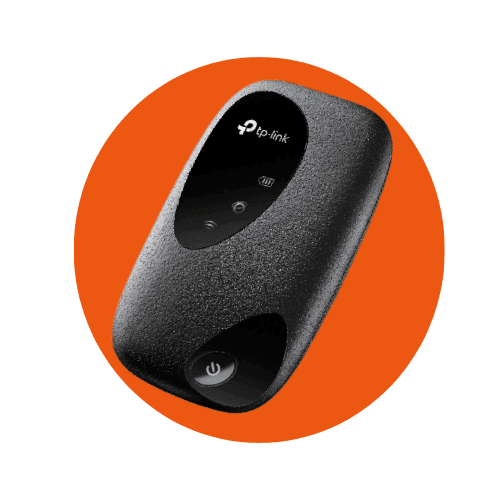
Stay connected everywhere in Morocco with unlimited 4G, no subscription required.
Areas Requiring Extra Awareness: Planning Ahead for a Smooth Trip
As with any geographically diverse country, certain regions and travel styles benefit from additional planning and situational awareness.
Border Zones & Unmarked Areas : Regions near closed land borders or remote desert frontiers may require special permits or authorized guides. Stick to officially recognized tourist routes, consult local tourism offices, and confirm itineraries with your accommodation before venturing into less-frequented areas.
Desert & Mountain Excursions : Trips to Merzouga, Zagora, the central Sahara, or Atlas valleys are highly secure when organized through licensed, reputable operators. Weather conditions can shift rapidly, particularly in mountain passes during winter or in open desert terrain during summer. Realistic scheduling, adequate provisions, and reliable communication tools are essential.
Nighttime Movement : City centers and tourist districts remain lively and well-lit in the evening. For late returns, use registered taxis or ride-hailing services, avoid poorly lit alleys, and keep digital copies of your passport and travel documents stored securely in the cloud.
Road Safety Culture : Moroccan traffic flow requires heightened awareness at roundabouts, intersections, and pedestrian crossings. Always wear seatbelts, obey speed limits, avoid nighttime driving on secondary roads, and never use a mobile phone while operating a vehicle. Defensive driving habits significantly reduce risk.
Solo, Family, or Group Travel: Tailored Advice
Solo Travelers: Morocco is highly popular among independent explorers. Hostels, guesthouses, and traditional riads offer secure, community-focused environments. Share your daily itinerary with a trusted contact, choose highly rated accommodations, and consider joining small-group day tours for your first local explorations. Women traveling alone report positive experiences when sticking to well-traveled routes, dressing context-appropriately, and trusting their instincts.
Families with Children: Morocco welcomes families warmly. Many hotels feature kids’ clubs, family suites, and child-friendly dining. Supervised beaches, national parks, and interactive cultural sites (artisan workshops, museum programs, botanical gardens) provide enriching, low-stress activities. Standard precautions in crowded areas apply, but infrastructure in tourist zones is generally family-optimized.
Couples & Groups: Organized circuits, guided hikes, and private riad stays offer structured yet flexible exploration. Advance booking secures preferred accommodations and helps avoid seasonal crowding. Private transfers and vetted local guides enhance comfort, particularly for multi-day itineraries or specialized experiences like photography tours or culinary classes.
Digital Connectivity & Cyber Safety: A Modern Travel Essential
In 2026, staying connected is no longer a convenience—it is a practical and security necessity. A reliable internet connection enables real-time GPS navigation, instant translation, last-minute transport bookings, location sharing with family, and immediate access to emergency services or travel updates.
Morocco’s major mobile operators (Maroc Telecom, Inwi, Orange) provide extensive 4G coverage and are progressively expanding 5G networks across metropolitan and high-tourism corridors. However, activating a local SIM upon arrival can involve paperwork and queue time, international roaming plans often carry steep data caps or unexpected fees, and public WiFi hotspots (cafés, airports, some hotels) frequently suffer from bandwidth limitations or unsecured networks.
For travelers prioritizing reliability, data privacy, and cost predictability, renting a portable WiFi router stands out as the most efficient solution. These compact devices create a private, encrypted personal network that connects multiple smartphones, tablets, laptops, and wearables simultaneously, eliminating dependence on public networks or expensive carrier add-ons.
Frequently Asked Questions About Morocco Travel Safety in 2026
Do I need a visa to visit Morocco in 2026 ?
Citizens of the European Union, the United States, Canada, Australia, the UK, and many other nations enjoy visa-free entry for tourist stays of up to 90 days. Always verify current entry requirements through your country’s official foreign affairs website before departure, as regulations can be updated with short notice.
Is Morocco safe for solo female travelers ?
Yes. Thousands of women travel independently across Morocco each year without incident. Key recommendations include booking reputable accommodations, avoiding isolated areas after dark, dressing in a way that aligns with local norms, and joining group activities for initial orientation. Connecting with other female travelers through trusted forums or verified tours often enhances both safety and enjoyment.
Are credit cards widely accepted ?
Visa and Mastercard are accepted at hotels, upscale restaurants, major retailers, and official tour agencies. In traditional markets, rural towns, and smaller guesthouses, cash (Moroccan Dirham) remains the standard. Notify your bank of your travel dates to prevent card blocks, carry a modest reserve of local currency, and use ATMs located inside banks or secure commercial centers.
What should I do if I lose my passport or encounter an emergency?
Immediately report the loss to your nearest embassy or consulate to obtain an emergency travel document. For urgent assistance, dial 112 (EU emergency number, functional in Morocco), 19 for police, or 15 for medical emergencies. Always store digital copies of your passport, visa, insurance policy, and flight itineraries in a secure cloud service accessible offline.
Is hotel WiFi reliable across Morocco?
Most mid-range to luxury establishments provide complimentary WiFi, but signal strength and bandwidth can fluctuate based on location, peak usage hours, or building infrastructure. For remote workers, content creators, or travelers who require uninterrupted connectivity for navigation and communication, a dedicated portable router ensures consistent performance without compromising data security.
Final Thoughts
In 2026, Morocco continues to demonstrate its commitment to providing a secure, well-organized, and deeply welcoming environment for international visitors. Security measures are professionally implemented, tourism infrastructure is continuously upgraded, and the country’s legendary hospitality remains at the heart of every authentic encounter. As with any foreign destination, a successful trip hinges on informed preparation, adherence to official travel guidance, cultural sensitivity, and smart logistical planning.
Anticipating everyday needs—particularly around mobility, health readiness, and digital connectivity—transforms potential friction points into seamless experiences. It is within this framework that we introduce a practical tool designed to keep you connected, informed, and stress-free from the moment you land.
Anticiper les besoins quotidiens, notamment en matière de mobilité, de santé et de connexion numérique, permet de vivre pleinement chaque instant sans contrainte inutile. C’est dans cette optique que nous vous invitons à découvrir une solution pensée pour les voyageurs exigeants.
Stay Connected Across Morocco with Rentaphone.ma
A truly smooth Moroccan journey begins with reliable connectivity. Whether you’re navigating the winding alleys of Fès, tracking a desert itinerary near Merzouga, working remotely from a Marrakech courtyard, or sharing real-time photos from the Atlantic coast, uninterrupted internet access fundamentally enhances both safety and enjoyment.
Rentaphone.ma specializes in portable WiFi router rentals engineered specifically for Morocco’s network landscape and the practical needs of international travelers. Our service is built around simplicity, performance, and complete peace of mind:
- Optimized 4G/5G Coverage: Partnered with Morocco’s leading mobile networks to deliver high-speed connectivity across major cities, tourist corridors, and popular natural sites.
- Truly Unlimited Data, Zero Roaming Fees: Transparent pricing tailored to your stay duration. No hidden charges, no throttling, no surprise bills.
- Compact, Secure, & Plug-and-Play: Pocket-sized device that creates a private, encrypted personal network. Safely handle banking, video calls, navigation, and sensitive communications.
- Convenient Pickup or Delivery: Collect your router at Casablanca, Marrakech, Fès, Tangier, or Agadir airports upon arrival, or choose delivery to your hotel, riad, or designated meeting point.
- 7/7 Multilingual Support: French and English-speaking technical assistance available daily for setup guidance, coverage questions, or troubleshooting.
- Multi-Device Connectivity: Seamlessly share one connection across smartphones, tablets, laptops, cameras, and smartwatches without performance degradation.
Booking takes less than two minutes: select your data plan, enter your travel dates and pickup location, and receive instant confirmation. Upon arrival, your router is fully activated, pre-configured, and includes a long-life battery with universal charging cable.
Discover our routers for your holidays in Marrakech:
Stay connected everywhere in Morocco with unlimited 4G, no subscription required.