


What to Expect During Ramadan in Morocco: Complete Visitor's Guide
- 30 January 2026
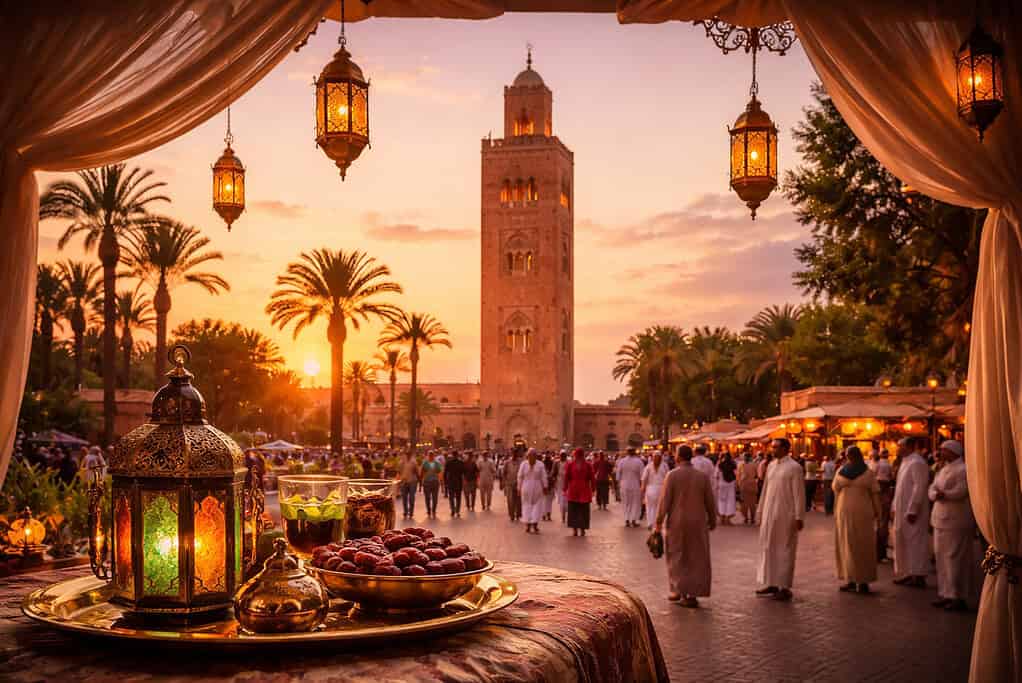
Introduction: Experiencing Ramadan in Morocco, an Unforgettable Journey
Ramadan is the ninth month of the Islamic calendar, a profoundly spiritual period that Muslims worldwide celebrate with devotion. If you’re considering visiting Morocco during this sacred season, you’re likely asking yourself: Where will I eat? Will attractions be open? Is it the right time to travel?
Good news: traveling to Morocco during Ramadan is not only possible, but it’s also a unique opportunity for authentic cultural immersion that few tourists ever experience. This comprehensive guide takes you through every aspect of Moroccan Ramadan, from the unfolding of traditions to practical advice for making the most of your stay.
What is Ramadan? Spiritual Significance and Historical Origins
The Ninth Month of the Islamic Lunar Calendar
Ramadan is far more than a simple fasting month. It’s one of the Five Pillars of Islam and represents a period of spirituality, prayer, reflection, and charity for more than 1.8 billion Muslims worldwide. In Morocco, where 99% of the population is Muslim, Ramadan is a central cultural and religious institution that shapes the rhythm of daily life for thirty days.
According to astronomical predictions, Ramadan 2026 in Morocco will begin around February 18 and end around March 19. However, the exact date depends on the observation of the lunar crescent, a traditional practice maintained in Morocco for centuries. Morocco’s Ministry of Habous and Islamic Affairs announces the official dates after “Laylat al-Shak” (the Night of Doubt), when religious authorities visually confirm the lunar crescent’s appearance.
Spiritual Foundations and Historical Significance
According to Islamic tradition, it was during Ramadan that the Angel Gabriel revealed the Quran to the Prophet Muhammad. For this reason, Muslims fast from sunrise to sunset throughout the month, abstaining from food, drink, smoking, and intimate relations. This fast serves several spiritual objectives: purifying the soul, strengthening personal discipline, cultivating compassion for the less fortunate, and drawing closer to God.
In Morocco, Ramadan is also a time when family takes paramount importance. Generations reunite, bonds strengthen, and solidarity with the underprivileged becomes a priority. Studies show that approximately 82% of Moroccans consider Ramadan a period when they focus more intensely on spirituality, and 77% directly associate it with acts of charity and social responsibility.
How Ramadan Transforms Daily Life in Morocco
The Daily Rhythm: From Daytime Calm to Nighttime Vibrancy
One of the most striking transformations during Ramadan is the complete change in the rhythm of life. If you visit Morocco during this period, you’ll notice a dramatic alternation between quiet days and animated nights.
During the Day: Moroccan cities, particularly as the break-fast hour approaches, experience a noticeable slowdown. Streets progressively empty as the hour of Iftar (sunset meal) draws near. Fasting Moroccans prefer to rest, conserving their energy for the day’s remainder. Cafes may open later, some shops adjust their hours, and an atmosphere of calm reigns, conducive to contemplation and spiritual reflection.
After Sunset: As soon as the muezzin calls the Maghrib prayer (sunset), cities suddenly come alive. Families gather around generous tables, streets fill with joyful sounds, markets light up and experience a second life. This transition creates a unique atmosphere you won’t find anywhere else.
Iftar: The Sacred Moment of Breaking the Fast
Iftar, or “ftour” in Moroccan dialect, is arguably the most important moment of the day during Ramadan. It’s the instant when Muslims break their fast after sunset. Throughout Morocco, tables are carefully arranged, filled with traditional dishes prepared during the fasting hours.
The Moroccan Iftar follows a centuries-old tradition:
First Bites: Following tradition, the fast is broken with dates and water. This practice traces back to the teachings of the Prophet Muhammad.
Emblematic Dishes: You’ll discover harira, a rich and nourishing soup made from tomatoes, chickpeas, lentils, and meat. It’s the heart of the Iftar meal. Accompanying this soup are chebakia (honey and sesame pastries), hard-boiled eggs, fresh juices, milk, and various meat or fish tagines.
The Atmosphere: Iftar is not merely a meal. It’s a moment of family communion imbued with warmth and benevolence. Tables overflow with food, reflecting abundance and gratitude for blessings received.
Sahoor: The Pre-Dawn Meal
Before sunrise and the Fajr (dawn) prayer call, those fasting consume a light meal called sahoor or shoor. It’s typically a simple yet energizing meal, often composed of milk, dates, bread, and light foods to sustain the body throughout the fasting day.
Official Ramadan 2026 Dates and Prayer Times in Morocco
Projected Dates
According to astronomical calculations and announcements from the Ministry of Habous and Islamic Affairs’ astronomical advisor, Ali El Amraoui, Ramadan 2026 should begin around Sunday, February 18, 2026 and end around Monday, March 19, 2026, representing a month of 29 days.
Important: These dates are provisional. Official confirmation depends on the visual observation of the lunar crescent during “Laylat al-Shak” (the Night of Doubt) on the 29th day of Sha’ban. The Ministry of Habous will announce definitive dates a few days before the month begins.
Variable Fasting Hours
The duration of fasting in Morocco changes slightly each day according to sunrise and sunset times. In March, fasting typically lasts between 12 and 13 hours. This variation depends on the exact geographic location and season. For precise prayer times in your specific region (Marrakech, Fès, Casablanca, Agadir, etc.), consult a Ramadan prayer calendar application or schedules posted in local mosques.
Administrative Changes and Working Hours
Modifications to Government and Commercial Hours
Government administrations, banks, and public services operate on a continuous schedule, typically 9 a.m. to 3 p.m. This organization allows employees to prepare for Iftar and dedicate time to family life after breaking the fast.
Schools and Educational Institutions
The Ministry of Education implements adjusted schedules:
- Primary Education: Delayed entry of 30 minutes in the morning, classes end earlier (generally around 2-3 p.m.)
- Middle and High Schools: Reduced days (example: 8:40 a.m.-12:00 p.m. morning, 12:30-3:50 p.m. afternoon)
These arrangements reflect the reality that many children and adolescents fast during Ramadan as well.
The Tourism and Restaurant Sector
Contrary to common misconceptions, restaurants and cafes in major tourist cities (Marrakech, Fès, Essaouira, Agadir, Casablanca) remain open. Many close for a few hours before Iftar to reopen early evening with special offers. International franchises (McDonald’s, KFC, Pizza Hut, Burger King) remain accessible throughout the day.
In smaller towns and villages, food availability may be more limited during fasting hours, but local restaurants always reopen after Iftar.
Visiting Morocco During Ramadan: Advantages and Challenges
Undeniable Advantages
Authentic Cultural Immersion: You’ll experience Morocco in a way that the vast majority of tourists never will. You’ll observe spiritual rituals, participate in moments of family conviviality, and understand the deep values of Moroccan culture.
Fewer Tourists: During Ramadan, tourist attendance decreases significantly, meaning fewer crowds at major attractions. The souks of Marrakech, the medinas of Fès, the gardens of Majorelle offer themselves to you in relative calm conducive to contemplation.
Reduced Prices: Flight, accommodation, and excursion prices are often 20 to 30% cheaper during this period. If you’re traveling with a small group or as a couple, the savings can be substantial.
Unique Spiritual Atmosphere: The atmosphere imbued with spirituality, prayer calls echoing through cities, special nighttime prayers (Tarawih) in mosques create an almost magical ambiance.
Moroccan Hospitality: Moroccans are naturally generous and welcoming. Many travelers report receiving invitations to share Iftar with local families, creating unforgettable memories.
Challenges to Anticipate
Reduced Service Hours: Museums, monuments, and attractions often close earlier than usual. For example, the Majorelle Garden in Marrakech typically closes at 4:30 p.m. (last entry at 4 p.m.).
Limited Food Availability: Outside major cities, restaurants may be closed during the day. It’s easier to find food in early morning (before sahoor) and after Iftar (after 7-8 p.m.).
Late Meal Times: Outside tourist areas, restaurants typically don’t serve dinner before 9 or 10 p.m., as meal preparation doesn’t begin until after Iftar.
Traffic and Transportation: About 15 to 30 minutes before Iftar, streets fill with people hurrying home. Traffic can be heavy and unpredictable. Many taxi drivers take a break to pray and eat.
Reduced Tourist Services: Some tour guides and travel agencies operate with reduced staff. It’s recommended to reserve your activities and excursions in advance.
Time Change: Remember that Morocco changes its time at the beginning of Ramadan, which can affect your travel schedule.
Practical Advice for a Successful Stay During Ramadan
Respect Local Traditions and Culture
Eating and Drinking in Public: While technically permitted for tourists, it’s considered a mark of respect to avoid eating, drinking, or smoking in public during fasting hours. Eat discreetly at your hotel or in indoor restaurants. However, drinking water is generally accepted.
Dress Code: During Ramadan, attire should be more modest and covered than usual, especially in smaller towns and medinas. Cover your shoulders and knees, and wear outfits that aren’t form-fitting. This discretion is a sign of respect toward the spiritual atmosphere of the month.
Respectful Behavior: Avoid criticizing the fasting practice, show compassion toward those fasting (they experience a long day without food or drink), and maintain a respectful attitude in places of worship.
Plan Your Visit Strategically
Book Your Accommodations in Advance: Some hotels and riads close during Ramadan for renovations. Establishments that remain open may be fully booked, particularly in the latter weeks of the month.
Schedule Your Activities:
- Mornings: Take advantage of morning hours (before noon) to explore attractions, museums, and archaeological sites. Verify official opening hours directly with your hotel, as some sites open later than usual.
- Afternoons: Rest, enjoy a hammam, or relax in your riad. It’s the ideal time for contemplation and relaxation.
- Evenings: After Iftar (generally between 7 and 8 p.m. depending on the day), cities come alive. It’s the perfect time to explore souks, sample culinary specialties, and experience the festive atmosphere.
Remember Schedule Changes: Always confirm with your hotel the current opening hours of attractions and restaurants, as they may vary.
Nutrition and Health During Your Stay
Stay Adequately Hydrated: Even if you’re not fasting, the general atmosphere invites moderate consumption. Drink plenty of water, particularly if exploring outdoors.
Hearty Breakfast: You’ll still benefit from a generous breakfast at your hotel. This is your opportunity to nourish yourself well before a day of exploration.
Participate in Iftars: Many hotels offer special Iftar buffets for tourists. It’s an excellent opportunity to sample authentic and varied dishes.
Managing Movement and Circulation
Avoid Travel Between 5 and 8 p.m.: This window is most problematic. Streets fill up, traffic increases, and many people are preoccupied with Iftar. If possible, schedule your movements before 5 p.m. or after 8 p.m.
Use Official Taxis or Reputable Transport Services: Confirm with your hotel the best transportation options. Consider reserving your transfers in advance.
Walk Through the Medinas: Paradoxically, the narrow streets of medinas are often quieter and safer to explore during Ramadan, with fewer crowds and a more serene atmosphere.
Traditions Not to Miss
Attend Tarawih Prayers
Tarawih prayers are special and extended prayers performed each evening after the Isha prayer (night), exclusively during Ramadan. In these sessions, imams recite portions of the Quran. In Fès, famous for its 300 mosques, this is a major spiritual experience.
If you’re respectful and interested, you may attend Tarawih prayers in mosques, though access may be reserved for the faithful depending on the venue. Ask your hotel or guide.
Experience Iftar with a Moroccan Family
If you have the opportunity to be invited to Iftar with a Moroccan family, don’t hesitate. It’s an unforgettable experience imbued with conviviality, generosity, and authenticity. You’ll discover how Moroccans celebrate this sacred moment, the conversations, laughter, and warm atmosphere.
Explore the Souks at Night
After Iftar, the souks come alive in a different way. Merchants sell pastries, fresh juices, chebakias, and other traditional delights. The festive atmosphere, intoxicating fragrances, and vibrant colors create an extraordinary sensory experience.
Ramadan Cuisine: Emblematic Dishes to Savor
Harira
Harira is arguably the dish most associated with Ramadan in Morocco. It’s a thick and rich soup made from tomatoes, chickpeas, lentils, onions, and spices. It’s often garnished with pieces of meat or fish. Harira provides the energy and nutrients necessary after a long fasting day.
Dates
Dates are far more than fruit during Ramadan. They’re the symbol of Ramadan in Morocco and throughout the Muslim world. They traditionally break the fast each day. Moroccan dates, particularly those from the Tafilalet region (near Rissani), are renowned for their exceptional flavor.
Chebakia
Chebakia are Moroccan-Arab pastries in the shape of flowers, dipped in honey and sprinkled with sesame. They’re traditionally prepared for Ramadan and Eid al-Fitr. Their sweet taste and crispy textures make them an absolute must-try.
Other Ramadan Delights
- Sellou: A sweet mixture of flour, butter, and honey
- Hard-boiled eggs and fresh juice: For hydration and energy
- Traditional bread: Freshly baked, fragrant, and delicious
- Tagines: Lamb or fish, stewed in various sauces
- Couscous: Prepared mainly on Fridays
Ramadan in Major Moroccan Tourist Cities
Marrakech During Ramadan
Marrakech, the “Red City,” remains Morocco’s major tourist destination even during Ramadan. Hotels continue serving visitors, souks remain open (with reduced hours), and the atmosphere remains welcoming. You can attend prayer calls from the Koutoubia Mosque, an unforgettable mystical experience. The Majorelle Garden and historic palaces can be visited, though operating hours are modified.
Fès and Its 300 Mosques
Fès, Morocco’s spiritual city, undergoes a remarkable transformation during Ramadan. With its 300 mosques, the city fills with spirituality. Tarawih prayers create a profound religious atmosphere. The medina, already labyrinthine and authentic, becomes even more intimate with fewer tourists.
Essaouira and Agadir
These coastal cities remain highly accessible during Ramadan. Beaches remain open, seafood restaurants continue operating (with adjusted hours), and the seaside atmosphere blends with the spirituality of Ramadan.
Casablanca
As Morocco’s primary economic center, Casablanca functions almost normally during Ramadan. Services remain accessible, restaurants are numerous, and urban life continues without major interruption.
Stay Connected in Morocco with RentaPhone: The Essential Solution
Your visit to Morocco during Ramadan will be all the more smooth and enriching when you have a reliable internet connection. Whether you need to navigate medinas, communicate with family, check updated schedules, or share your experiences, an unlimited connection is indispensable.
Why Rent A Phone is the Ideal Solution for Visitors to Morocco
RentaPhone.ma provides the perfect connectivity solution for all foreign visitors to Morocco. Here’s why:
- 8 Hours of Battery Life: Explore Morocco all day without fearing a dead battery. Enjoy the walls of the medina, the Sahara Desert, or beaches without interruption.
- Unlimited Connection: No data limits, no speed throttling. Check updated restaurant reviews, share your photos in real-time, and stay in touch with loved ones without restrictions.
- 10 Devices Connected Simultaneously: Share your connection with other group or family members. Everyone can browse, stream, and communicate at the same time.
- High-Speed 300 Mbps Coverage Everywhere in Morocco: Whether you’re in Marrakech, Fès, the Atlas Mountains, or the Sahara, enjoy exceptional connection speeds. No dead zones, complete country coverage.
- No Time Wasted: No complicated setup. The router is ready to use upon receipt. Switch it on and connect your devices instantly.
- Zero Configuration: No technical jargon to understand, no complex manuals. It’s designed for travelers, by tourism experts.
How Rent A Phone Enhances Your Ramadan Experience in Morocco
During Ramadan, staying connected becomes even more crucial. You can:
- Find Open Restaurants in Real-Time: Hours change. With fast connectivity, instantly locate accessible restaurants at any given hour.
- Check Updated Attraction Hours: Museums and sites have variable hours. Stay informed before traveling.
- Communicate with Your Guides and Hotel: Confirm arrangements, transfers, and Iftar reservations.
- Share Your Experiences: Document your cultural immersion and share it live with family.
- Navigate Efficiently: GPS functions better with stable internet. Explore without getting lost.
- Access Practical Applications: Prayer calendars, local schedules, translators, and tourism apps.
Book your RentaPhone portable WiFi router now and transform your Ramadan journey to Morocco into a memorable and stress-free experience. Our services are specially designed for foreign visitors seeking to experience authentic Morocco while staying connected.

Stay connected everywhere in Morocco with unlimited 4G, no subscription required.
Frequently Asked Questions: Ramadan in Morocco
Can I travel to Morocco during Ramadan ?
Absolutely! Traveling to Morocco during Ramadan is not only possible but also an excellent opportunity for cultural immersion. Attractions remain open, restaurants serve tourists, and Moroccan hospitality doesn’t take a break.
Must non-Muslims fast ?
No. Tourist and non-Muslim visitors are not required to fast.
Will I find food to eat ?
Yes. Hotels always serve hearty breakfasts. Many restaurants, especially in tourist cities, remain open. Hotel restaurants and international franchises are accessible during the day.
Is it cheaper to travel during Ramadan?
Yes, typically 20 to 30% cheaper for flights, accommodations, and excursions.
Can I attend Tarawih prayers ?
Yes, but only with mosque permission and if you’re respectful. Ask your hotel or guide.
Conclusion: A Transformative Journey Awaits You
Traveling to Morocco during Ramadan isn’t a complication—it’s an opportunity. It’s your chance to experience Morocco in a way the vast majority of tourists never will, to participate in millennia-old traditions, to meet people with open hearts, and to return home transformed by a profoundly authentic experience.
Yes, there are adjustments to make. Yes, schedules change and some services are reduced. But these minor challenges are more than compensated for by incomparable cultural immersion, an enchanting spiritual atmosphere, and the remarkable generosity of the Moroccan people.
With proper preparation, the right mindset, and reliable connectivity thanks to RentaPhone.ma, your journey to Morocco during Ramadan will become an unforgettable chapter of your life.
Prepare yourself now. Book your portable WiFi router with RentaPhone, plan your activities, and let yourself be swept up in the magic of Moroccan Ramadan. You’ll see—you’ll return transformed.
Planning a trip to Morocco during Ramadan? Ensure uninterrupted connectivity with RentaPhone.ma and experience it fully. Reserve your portable WiFi router today 8 hours of battery life, unlimited connection, 300 Mbps high-speed coverage everywhere, and zero setup. Stay connected, stay free to explore.
Discover our pocket wifi solutions for your holidays in Marrakech:
Pocket WIFI in Marrakech
Stay connected everywhere in Morocco with unlimited 4G, no subscription required.