- Blog
- What to pack for Morocco
What to pack for Morocco: the complete packing list

Three things cannot be fixed once you land in Morocco: a valid passport, your prescription medicines in their original packaging, and travel insurance that covers medical repatriation. Everything else is simple, with one catch for most English-speaking travellers: Morocco uses European plug types C and E at 220 V and 50 Hz, so visitors from the UK, Ireland, the US, Canada and Australia all need a travel adapter. This list covers documents, power, clothes by season, the desert and the Atlas, and what to leave at home, starting with your drone.
The essentials
- Bring a travel adapter for plug types C and E (220 V, 50 Hz) if you come from the UK, Ireland, the US, Canada or Australia.
- Passport rules differ by nationality: the UK asks for 3 months’ validity after arrival, Canada for 6 months beyond departure (both checked on 23 October 2026).
- Keep medicines in their original boxes with the prescription: some common painkillers and anti-anxiety drugs are illegal in Morocco.
- Drones are confiscated at customs unless you hold prior permission.
Pocket WiFi in Marrakech
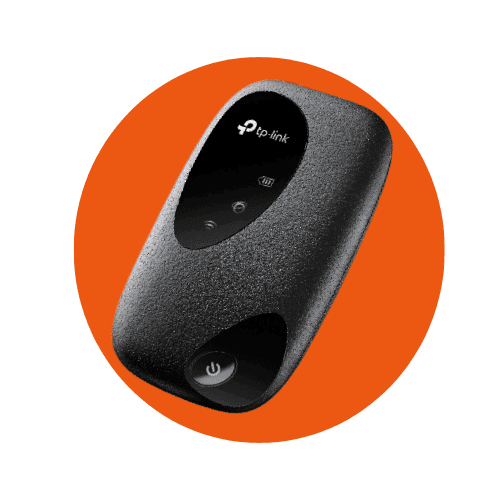
Maroc Telecom 4G router: €4.90 a day (2-day minimum), up to 10 devices, delivered and collected free of charge at your accommodation in Marrakech, 9 am to 6 pm.
Book onlineCard payment in euros.
In this article
- Morocco packing list at a glance
- Documents: passport, insurance and licence
- Money: cards, cash and the dirham
- Morocco travel plug: which adapter you need
- Phone and internet: sort it out before you fly
- What to wear in Morocco: clothes by season
- Medicines and a small travel pharmacy
- Desert, Atlas and coast: what changes in your bag
- What to leave at home
- Travelling to Morocco during Ramadan
- Internet for the whole group: the Rent A Phone router in Marrakech
- Final Morocco packing checklist
- Frequently asked questions: what to pack for Morocco
Morocco packing list at a glance
What to pack for Morocco comes down to five things: documents in order, ways to pay, a plan for mobile internet, a small pharmacy and clothes that suit both the season and local customs. Cities have almost everything, but not always when you need it: a pharmacy in an Atlas village at night, the right charger in a desert camp.
Entry and customs rules below come from official travel advice (GOV.UK, the Government of Canada, and the French and Spanish foreign ministries) read on 23 October 2026. Rules change, so check your own government’s page a week before you fly.
Documents: passport, insurance and licence
A passport is required for every tourist. British visitors can stay up to 90 days without a visa, according to GOV.UK; the Government of Canada gives the same 90 days for Canadians. Longer stays need an extension from the Moroccan police.
Watch out
The passport validity rule is not written the same way everywhere: GOV.UK asks for an expiry date at least 3 months after you arrive, while Canada and Spain ask for 6 months. US, Irish and Australian travellers should check travel.state.gov, ireland.ie and smartraveller.gov.au. The safe choice is a passport valid at least 6 months after your return; nationality by nationality, see Morocco entry requirements.
- Return ticket and accommodation details: French official advice says visitors must be able to show a return ticket and proof of sufficient funds on arrival.
- Entry stamp: check that border police stamped your passport, otherwise you may be in the country irregularly without knowing it.
- Children: each child needs a passport. A child travelling with one parent should carry a birth certificate and the other parent’s written consent; a child travelling without parents needs a signed, certified authorisation.
- Travel insurance: make sure it covers hospital costs and medical repatriation; Moroccan hospitals may ask for full payment before discharge.
- Driving licence: a foreign licence is accepted for up to one year; an International Driving Permit is recommended.
- Copies: a photo of your passport and insurance on your phone, a paper copy packed separately.
Money: cards, cash and the dirham
Pack two bank cards on different networks and some pounds, euros or dollars to exchange on arrival. The Moroccan dirham is a closed currency controlled by the Office des Changes: you cannot buy it properly before you leave, and the Government of Canada warns it is illegal to take dirhams out of Morocco. Exchange or withdraw only what you need, and keep your exchange receipts until departure.
Cards work in hotels, supermarkets and many city restaurants; souks, petit taxis and tips are cash. Where to exchange, cash machine fees and tipping are in money in Morocco, and typical spending in what budget for 7 days in Marrakech.
Morocco travel plug: which adapter you need
Morocco uses plug types C (two round pins) and E (two round pins, with an earth pin sticking out of the wall socket), at 220 V and 50 Hz. That is the French standard, so none of the main English-speaking countries can plug in directly.
| You come from | Your plug | Adapter for Morocco | Voltage at home |
|---|---|---|---|
| UK, Ireland | G (three flat pins) | yes | 230 V: same range, nothing to convert |
| US, Canada | A and B (flat pins) | yes | 120 V, 60 Hz: check every device’s label |
| Australia, New Zealand | I (angled flat pins) | yes | 230 V: same range, nothing to convert |
Voltage, frequency and plug types in Morocco: CIA World Factbook, Morocco Travel Facts, consulted on 23 October 2026.
An adapter only changes the shape of the plug, not the voltage. Phone and laptop chargers almost always say “100-240 V” and work with a simple adapter. A North American device marked “120 V” only, such as some hair dryers, straighteners or shavers, needs a voltage converter, or is better left at home.
- Two adapters, or one adapter and a small extension lead: older riads often have few sockets per room.
- One charging cable per device.
- A power bank for day trips, packed in hand luggage, since airlines ban spare batteries in the hold.
Phone and internet: sort it out before you fly
Morocco is outside the EU and UK “roam like at home” deals, and US and Canadian plans often charge daily fees abroad. Turn off data roaming before landing and choose one of three options (more in how to avoid high roaming charges).
- An eSIM, bought and installed at home, if you travel alone with a compatible, unlocked phone: eSIM Maroc sells 7 days for 24 € (1 GB a day at full speed, then 512 kbps; price checked on 13 October 2026). How-to in eSIM in Morocco.
- A local SIM, bought in Morocco with your passport: about 11 € for 7 days of unlimited data with Orange’s Marhaba offer (price checked on 13 October 2026); see buy a local SIM.
- A pocket Wi-Fi, a small 4G router that shares one connection between several phones, tablets and laptops: see what is a pocket Wi-Fi.
Download offline maps of your route too: inside a medina, GPS often gets lost between high walls.
What to wear in Morocco: clothes by season
GOV.UK asks visitors to follow local dress codes and suggests loose clothing that covers arms, legs and chest, especially during Ramadan. In practice, shoulders and knees covered in medinas and villages, swimwear for the beach or pool only. None of the official advice we read mentions a headscarf for female visitors; a light scarf is still handy against sun, wind and dust. Details in how to dress in Morocco.
By month
- October and November: mild days, cool evenings; a light jacket and a jumper in town, a thin down jacket for the desert and the Atlas.
- December to February: cold nights and riads rarely heated throughout; warm layers, thick socks and a proper coat for the Atlas, where it snows.
- March to May: the easiest season; layers and a light rain jacket.
- June to September: loose cotton and linen, a hat and sunglasses; inland gets very hot, the Atlantic coast stays cooler.
Shoes
Closed, comfortable shoes for the uneven, sometimes slippery lanes of the medinas, sandals for the riad and the beach, and hiking boots if you walk in the Atlas.
Medicines and a small travel pharmacy
Cities have pharmacies, but bring your regular treatment for the whole trip.
Watch out
The Spanish foreign ministry warns that some anti-anxiety drugs and painkillers common in Europe are classed as illegal substances in Morocco, and French advice asks for prescriptions listing the generic (international) names. Keep every medicine in its original packaging with the prescription and, if possible, a short letter from your doctor.
- Vaccinations: none is required to enter; check routine vaccines and ask a travel clinic, TravelHealthPro (UK) or the CDC (US) about hepatitis A and typhoid for your type of trip.
- Stomach: anti-diarrhoea tablets and rehydration salts; drink sealed bottled water.
- Sun and insects: sunscreen, lip balm and insect repellent (French advice recommends it against sandflies, which bite at night).
- First aid: plasters, antiseptic, hand gel, your usual painkiller.
- Animals: do not stroke stray dogs or cats; after any bite or scratch, see a doctor the same day (rabies risk).
Desert, Atlas and coast: what changes in your bag
The desert (Merzouga, Zagora, Agafay)
Hot days and cold nights from autumn on: a fleece or thin down jacket, a large scarf against sand, sunglasses, a head torch and a charged power bank, as tents rarely have sockets. Signal is patchy: see is there phone signal in the Moroccan desert.
The Atlas and the valleys
Layers, a windproof jacket and ankle-supporting walking shoes; in winter, water and snacks in the car, because snow can close mountain passes.
The coast (Essaouira, Agadir, Taghazout)
A windproof layer even in summer, as the Atlantic coast is often windy, plus sunscreen and a light towel. Swim on lifeguarded beaches: French official advice describes the Atlantic surf near the shore as dangerous, even in calm weather.
What to leave at home
- Your drone: GOV.UK says you need prior permission from Morocco’s civil aviation authority; without it, the Government of Canada warns drones are confiscated on entry, and fines are possible.
- Pepper spray and knives: carrying them is banned under the Moroccan penal code.
- Any drugs, even small amounts: border checks are systematic and prison sentences common.
- Parcels from strangers, on the way in or out.
Travelling to Morocco during Ramadan
According to GOV.UK, the next Ramadan starts in February 2027; the exact date depends on the sighting of the moon and is confirmed only the day before. Pack more covering clothes than usual and snacks to eat indoors during the day; GOV.UK adds that eating, drinking or smoking in public in daytime may cause offence, and drinking alcohol anywhere other than a licensed bar or restaurant is illegal. Opening hours change too: see what to expect during Ramadan in Morocco.
Internet for the whole group: the Rent A Phone router in Marrakech
If your trip goes through Marrakech and you are two or more, or carry a laptop, there is nothing to pack: Rent A Phone delivers a pocket Wi-Fi router free of charge directly to your accommodation in Marrakech (hotel, riad, Airbnb), between 9 am and 6 pm, and collects it at the end of your stay.
- TP-Link 4G router on the Maroc Telecom network, unlimited data, up to 10 devices, battery up to 8 hours.
- 4.90 € per day per router, 2 days minimum, paid by card in euros; 50 € deposit as a card hold after payment.
- Works on day trips wherever Maroc Telecom 4G reaches; customer support 7 days a week, 9 am to 6 pm.
Our verdict
For two or more travellers, or with a laptop, book the router on the Rent A Phone booking page before you leave. Travelling alone with a compatible phone, an eSIM such as eSIM Maroc is simpler.
Final Morocco packing checklist
- Documents passport valid at least 6 months after your return, children’s passports and consent letters, return ticket, insurance certificate, driving licence.
- Money two bank cards, bank told about the trip, some cash to exchange.
- Internet eSIM installed, local SIM planned or router booked; data roaming off; offline maps downloaded.
- Power type C/E adapters, chargers, cables, power bank in hand luggage; converter only for 120 V devices.
- Pharmacy medicines with prescription in their boxes, anti-diarrhoea tablets, sunscreen, repellent.
- Clothes covering outfits for medinas, closed shoes, a warm layer for evenings, swimwear for the beach or pool.
- Leave behind drone, pepper spray, knives, parcels from strangers.
Frequently asked questions: what to pack for Morocco
What plug type does Morocco use?
Morocco uses plug types C and E, with two round pins, at 220 V and 50 Hz, like France. Travellers from the UK, Ireland, the US, Canada and Australia need a travel adapter; North Americans should also check that each device accepts 220 V, which almost all phone and laptop chargers do.
Do I need a voltage converter for Morocco?
Only for devices rated 120 V alone, such as some North American hair dryers or straighteners. Chargers marked 100-240 V only need a plug adapter. UK, Irish and Australian appliances already run at 230 V and need no converter.
What should I pack for a trip to Morocco?
A valid passport, medicines in their original boxes with the prescription, travel insurance with medical repatriation, two bank cards and a type C/E adapter. Add clothes that cover shoulders and knees, a warm layer for evenings and a mobile internet plan chosen before you leave.
What clothes should I wear in Morocco in winter?
Warm layers: evenings are cold from December to February and riads are rarely heated throughout. Bring a jumper, thick socks and a proper coat if you go to the Atlas, where it snows, or spend a night in the desert.
Can I bring a drone to Morocco?
Not without prior permission from Morocco’s civil aviation authority, according to GOV.UK. The Government of Canada warns that drones are confiscated on entry, and French official advice mentions fines.
How can a group get internet in Morocco without buying several SIMs?
With a pocket Wi-Fi router: the Rent A Phone router connects up to 10 devices on Maroc Telecom 4G for 4.90 € per day per router (2 days minimum). It is delivered free to your accommodation in Marrakech between 9 am and 6 pm and collected at the end of your stay.